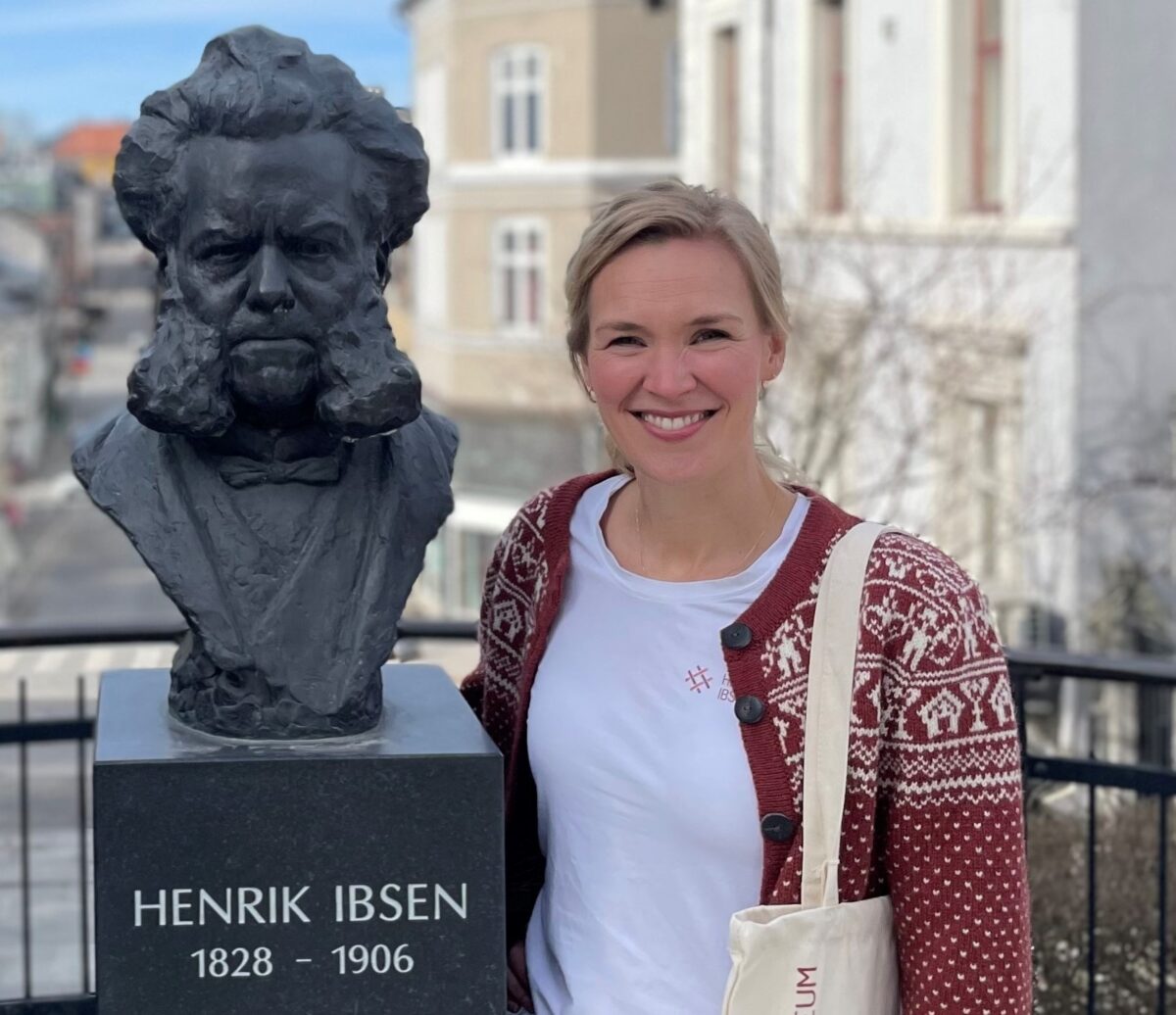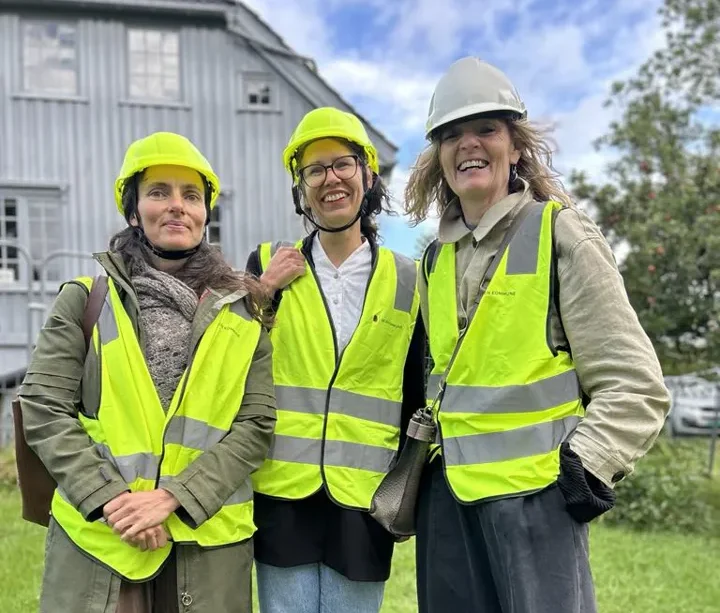
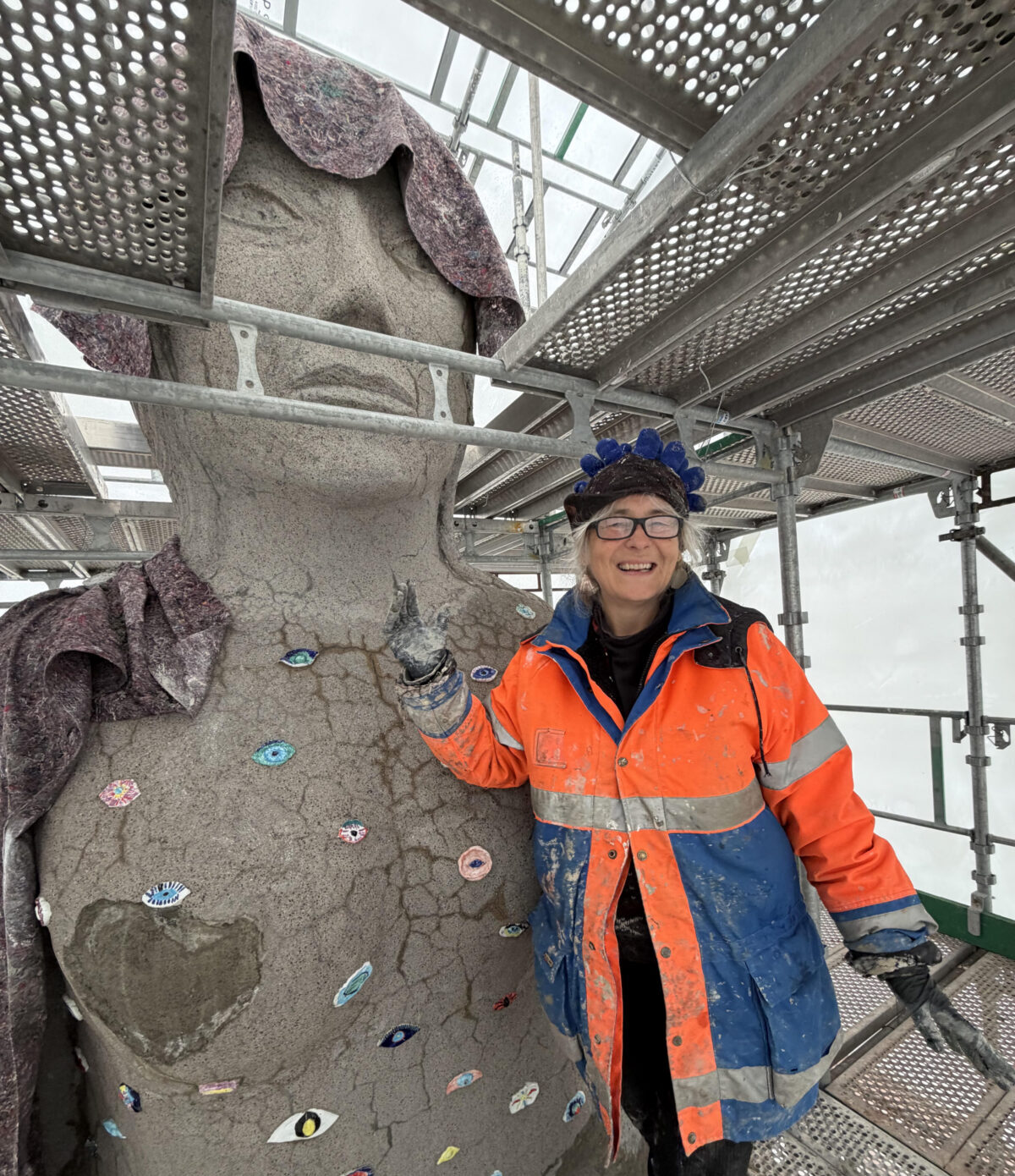
Aasne Linnestå has been a course leader for the Ibsen Summer Academy for three years. Now she is looking forward to returning.
Written by Stian Johansen, Skien Library
Updated June 30: The original article stated that there were 18 registered participants so far. Now, however, the number is full, but interested parties can put themselves on the waiting list here .
Linnestå is a novelist, poet and playwright, raised in Rjukan. She made her book debut in 2000. In 2017 she received the Mads Wiel Nygaard grant for her writing, and in 2018 she received the Amalie Skram Prize.
– This will be your third summer in a row in Ibsenbyen Skien, Aasne!
– It is incredibly nice to be asked again, because it is so much fun to do this, yes, I love it, says the author on the phone from Svartskog, where she lives. – I have been giving writing courses for many years, but to deal exclusively with one literary work, one text as the main foundation for the course, I find that extremely fruitful when there is such a consistently rich material as in Henrik Ibsen.
Ibsen Summer Academy is a collaboration between the Sølvåren Ibsen Information Center, which is the library's department, and the University of Southeast Norway. This year there are participants from England, Canada, Germany, Lithuania, Scotland, Ukraine, Turkey, Greece, Japan and Norway. Students and adults. There will be trips in the local area, city walks and a bike ride out to Venstøp. There will be many different literary tasks and different tests, writing and sharing insights and texts across backgrounds and ages.
– How do you prepare for this?
A day in the attic at Venstøp
– I read the play we will have as our focus thoroughly, and before each year I reorient myself in Henrik Ibsen's biography. I spend time creating assignments, which should vary from year to year, also considering the location we will be in. Last year, when The Wild Duck was our focus, we spent a day in the attic at Venstøp, the place where Ibsen partly grew up and close to the room where he slept, so being able to use the attic in the writing process was special. This year, the play we will be working on is The Ghosts , and we will, among other things, spend a day in Dovregubbens Hall in Ibsenhuset , and then I obviously have some ideas about how we can use that particular room.
Dovregubbens Hall is the largest hall in the region's main hall, with seating for 800 people. Ibsenhuset was built in 1973 and the hall has hosted thousands of major concerts and performances.
Still impressed by Ibsen
– This year, like last year, you will be the course leader together with Tone Cronblad Krosshus, senior lecturer in drama and theatre at the University of Southeast Norway, and last year the musician Maja SK Ratkje was also involved. Do you hold workshops together, or how much do you know about each other's workshops?
– We hold them individually, plus some slipping sequences, and we have dialogues in advance and during the process, while at the same time I have to have enough tasks in the "basket" to be able to anticipate the situations and moods that occur along the way.
– How has your relationship with Ibsen's works changed over three years with the Ibsen Summer Academy?
– I am increasingly impressed by his entire work as a playwright, and his artistic level, for his courage, for the radical. He does not shy away from anything, whether when writing about sexuality, gender, society or morality. And I discover something new every time I take a deep dive into this fantastic artistry.
We would love to hear from you!
Do you have any comments on the article, or tips for other Ibsen-related topics, cases or events we should write about?
Get in touch here